Zakharova: EU uses human rights as a tool of pressure against Russia
Moscow, September 8 (Hibya) – Russian Foreign Ministry Spokesperson Maria Zakharova criticized the EU's 2025 report on human rights and democracy, claiming that Brussels uses the human rights agenda to interfere in countries pursuing independent policies and to exert pressure on Russia.
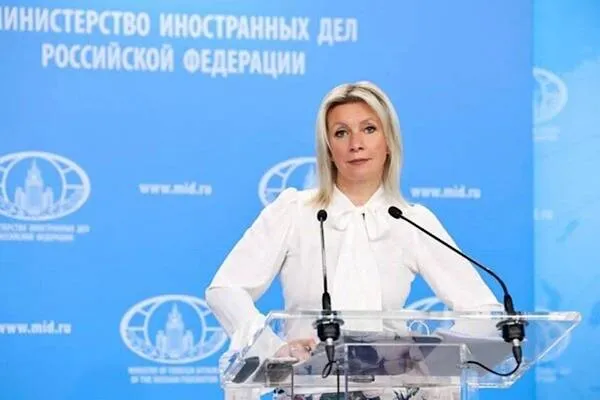
Russian Foreign Ministry Spokesperson Zakharova commented on the 2025 report on human rights and democracy published by EU High Representative for Foreign Affairs and Security Policy Kaja Kallas.
Zakharova described the report as a document combining rhetoric about the EU's role as a “global leader” in human rights, political accusations against third countries and a “dictatorial” approach. She argued that the EU's criticism of countries is shaped less by realities on the ground than by the states' attitudes toward Brussels.
Zakharova also criticized the section on Ukraine, claiming that the report was “extremely ineffective” on the issue and accusing Ukraine of corruption and lawlessness.
Zakharova claimed that the EU uses the human rights agenda to interfere in the internal affairs of countries pursuing independent policies. She alleged that Brussels provides substantial funding to non-governmental organizations, media outlets, journalists and activists in targeted countries with the aim of influencing domestic politics and foreign policy choices.
Zakharova also criticized the report's description of the EU's policy toward Russia as a “wartime approach,” saying this did not justify what she described as “double standards” toward Russia or the disregard of practices that she argued violate the rights of Russian citizens.
Zakharova claimed that Brussels had openly demonstrated its intention to use human rights as a tool of pressure against Russia, while arguing that the EU's own human rights record was also steadily deteriorating.
Claiming that intolerance was increasing in Europe and that racism and hate speech were becoming more frequent, Zakharova accused EU institutions of turning a blind eye to anti-Russian sentiment. She also criticized citizenship issues in the Baltic states and practices that she claimed prevent Russian-speaking populations from receiving education in their native language.
Zakharova further claimed that practices within the EU such as censorship of dissenting views, bans imposed on some media outlets and the silencing of political actors who criticize Brussels' policies are defended on the grounds of “protecting democracy.”
The Russian Foreign Ministry spokesperson suggested consulting the joint report titled “Certain Countries’ Human Rights Situation,” published in June by the foreign ministries of Russia and Belarus, for what she called a more accurate assessment of the human rights situation in Europe. Zakharova noted that the report was published in English and argued that those comparing the two documents could judge which study reflects a genuine concern for human rights.
British News Agency
 Facebook
 Tweeter
 Whatsapp