Cleveland Fed President: No need to change U.S. interest rates
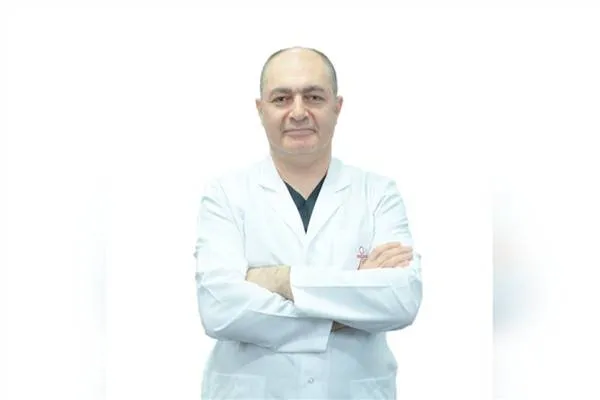
Istanbul, Dec. 22 (Hibya) – Cleveland Federal Reserve President Beth Hammack said that after cutting rates at the Fed’s last three meetings, she sees no need to change U.S. interest rates in the coming months.
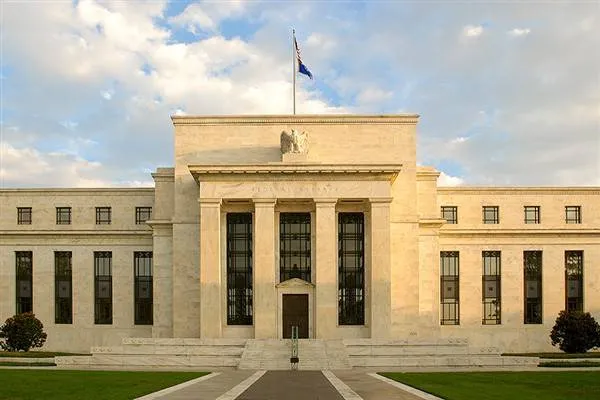
Speaking to The Wall Street Journal, Hammack said the Fed does not need to change the benchmark interest rate, currently in the 3.5% to 3.75% range, at least until spring. She added that she opposed the recent rate cuts because she is more concerned about high inflation than about potential labor market fragility.
Hammack said that by then it would be possible to better assess whether U.S. President Donald Trump’s tariffs have been absorbed by supply chains and whether recent goods price inflation has eased.
She added that the 2.7% consumer price index in November likely understates the 12-month increase in prices due to data distortions.
Citing inflation concerns, Hammack said, “My baseline scenario is that we could stay at this level for some time until we get clearer evidence that inflation is returning to target or that the labor market is weakening more meaningfully.”
Earlier this month, speaking at an event in Cincinnati, Hammack said she wants to focus on high inflation and would prefer tighter monetary policy. Next year, she will be a voting member of the Federal Open Market Committee (FOMC), which oversees key decisions on monetary policy and interest rates.
British News Agency
 Facebook
 Tweeter
 Whatsapp