Oil prices surge 4% following Vance’s remarks
Istanbul, February 19 (Hibya) - Oil prices rose more than 4% on Wednesday after U.S. Vice President JD Vance said Iran had not addressed the United States’ red lines in nuclear talks this week and that President Donald Trump reserves the right to use military force.
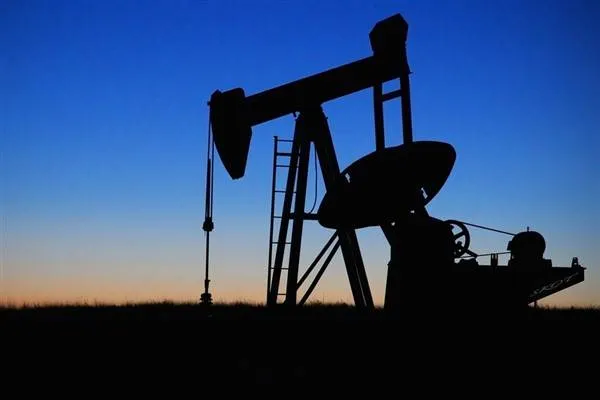
U.S. crude closed up $2.86, or 4.59%, at $65.19 per barrel. Global benchmark Brent settled $2.93 higher, or 4.35%, at $70.35 per barrel.
U.S. envoys Steve Witkoff and Jared Kushner held nuclear talks with Iran in Geneva on Tuesday. According to Iranian media, Foreign Minister Abbas Araghchi described the talks as “constructive” and said they resulted in a general agreement on guiding principles.
Oil prices had closed lower on Tuesday as investors interpreted the minister’s remarks as a sign that the U.S. and Iran could still reach a deal.
However, Vance said Tehran had failed to address the core demands of the United States.
“In some ways it went well, and then they agreed to the meeting,” Vance told Fox News. “But in other ways, it’s very clear that the president has set some red lines that the Iranians are not yet willing to accept and work on.”
Vance said Trump reserves the right to use force if diplomacy fails to halt Iran’s nuclear program. “We have a very strong military — the president has shown he is willing to use it,” he told Fox News.
Sources speaking to Axios said a potential U.S. military operation against Iran would likely be large-scale, last weeks, and resemble a full-scale war rather than the January raid that captured Venezuelan President Nicolás Maduro.
Iran’s Revolutionary Guards conducted war games this week in the Strait of Hormuz, a vital trade chokepoint for global oil flows. According to energy consultancy Kpler, about one-third of all seaborne crude exports pass through the narrow waterway.
The market fears that oil flows would be disrupted if the U.S. and Iran go to war. Iranian state media reported that traffic in part of the strait was closed on Tuesday due to the military drills.
Kpler oil analyst Matt Smith said the firm did not observe any traffic stoppages in the strait on Tuesday.
British News Agency
 Facebook
 Tweeter
 Whatsapp