Nipah virus outbreak alert in India
Stockholm, January 27 (Hibya) – India is moving swiftly to contain a Nipah virus outbreak in its eastern state of West Bengal after five cases, including doctors and nurses, were confirmed.
According to local media reports, around 100 people have been asked to self-quarantine at home, and infected patients are being treated in hospitals in and around the capital Kolkata; one patient is in critical condition.
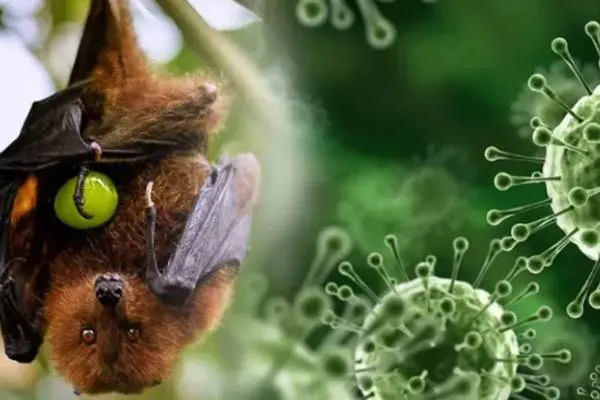
Nipah is a deadly virus with no vaccine or specific treatment and is considered a high-risk pathogen by the World Health Organization. Experts say human infections are rare and usually occur through transmission from bats, often via contaminated fruit.
Meanwhile, the emergence of the highly lethal Nipah virus in India’s eastern state of West Bengal has sparked widespread attention in China ahead of the Lunar New Year holiday, when millions of people are expected to travel, raising public concern.
With a fatality rate of up to 75% and no effective treatment or vaccine available, the virus has caused unease in China, and related topics trended on the country’s social media platforms on Monday.
The virus can cause infections ranging from mild to severe, and according to the World Health Organization, its fatality rate is estimated to be between 40% and 75%.
Last month, China and India eased visa rules for each other in a move aimed at increasing travel between the world’s two most populous countries.
The timing of the health threat to China is causing concern as the Lunar New Year approaches, a period marked by extremely heavy inbound, domestic, and outbound travel. The 40-day travel rush known as Chunyun will run this year from February 2 to March 13.
Nipah is a zoonotic virus that can spread between animals and humans. According to the World Health Organization (WHO), fruit bats are the natural hosts of the Nipah virus, but transmission can also occur from other animals such as pigs, contaminated food, and direct human-to-human contact.
According to the Centers for Disease Control and Prevention (CDC), Nipah virus can cause fever, headache, cough, sore throat, and shortness of breath.
The CDC also notes that encephalitis, or swelling of the brain, can occur, leading to other symptoms such as confusion, drowsiness, seizures, or coma. Symptoms typically appear 4 to 14 days after infection.
There is no specific treatment for Nipah; care is limited to supportive treatment and management of symptoms.
British News Agency
 Facebook
 Tweeter
 Whatsapp