Storms in Portugal had deadly impact
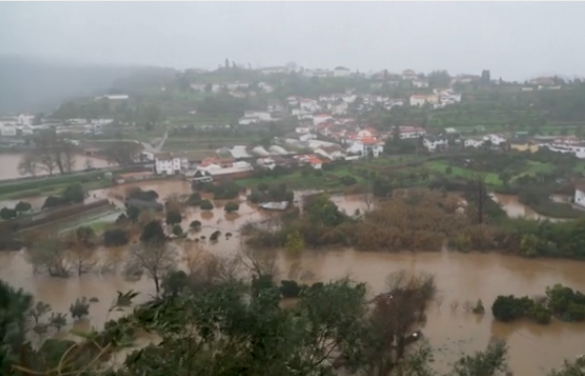
Lisbon, February 13 (Hibya) - At least 16 people have died and tens of thousands were left without electricity due to unusually prolonged storms that hit parts of Portugal and Spain. According to Publico, thousands were forced to leave their homes and major damage was reported in the central and southern regions of the country.
According to The Guardian, heavy rainfall and strong winds affecting central and southern Portugal and parts of Spain since late January have been described by scientists as the longest storm period in living memory.
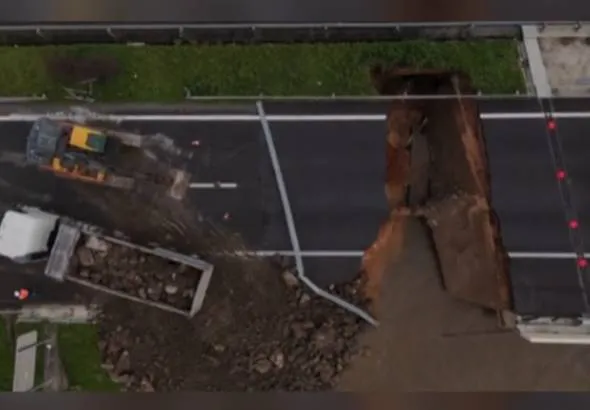
As the Mondego River reached critical levels, more than 3,000 people were evacuated in Coimbra. A dam burst caused sections of the A1 motorway, Portugal’s longest and most important highway, to collapse.
In total, around 33,000 households in Portugal were left without electricity, and the damage is estimated at nearly one billion dollars.
In Spain, the storm triggered red and orange alerts along the northern coastline with waves reaching up to nine meters. In Catalonia, 34 people were hospitalized and emergency messages were sent to residents’ mobile phones urging them to stay indoors.
Several deaths occurred among people attempting to repair damaged roofs with tarpaulins distributed in response to the storms. Hundreds were also injured due to falls.
At the same time, criticism is growing in Portugal over how the government has handled the situation. Interior Minister Maria Lúcia Amaral resigned this week, stating that she lacked the “personal and political conditions” to carry out her duties. Opposition leader José Luís Carneiro described the resignation as evidence of government failure.
Researchers are also sharply criticizing the country’s lack of climate adaptation.
Pedro Matos Soares, an atmospheric physicist at the University of Lisbon, said, “We are not even prepared for today’s climate, let alone the future.”
Soares believes that Portugal is still conducting land-use planning based on an outdated climate framework.
British News Agency
 Facebook
 Tweeter
 Whatsapp